
Actionable AI for individualized precision medicine.
Cellworks fuses mechanistic biology, clinical guidelines, and 300M+ patient records to model how an individual patient will respond to a drug — before treatment.
Findings published and validated in
The problem
Medicine is still too trial-and-error.
All too often treatment decisions are made using guidelines based on population averages, not the individual patient in the clinic. The result is lost lives, wasted trials, and drugs that work for some.
of oncology drug candidates fail during clinical trials — most for lack of efficacy in the patients enrolled.
the typical lag between a drug reaching peak clinical benefit and its widespread adoption in practice.
diagnostic errors occur annually in the U.S. tied to delayed or mismatched treatment decisions.
Platform
Cellworks is turning human biology from an unpredictable, observational science into an executable engineering discipline.
The platform simulates the actual biology — then checks its own predictions against real-world evidence at every step. Rather than pattern-matching on probabilistic outcomes, the platform is guided by mechanistic modeling.
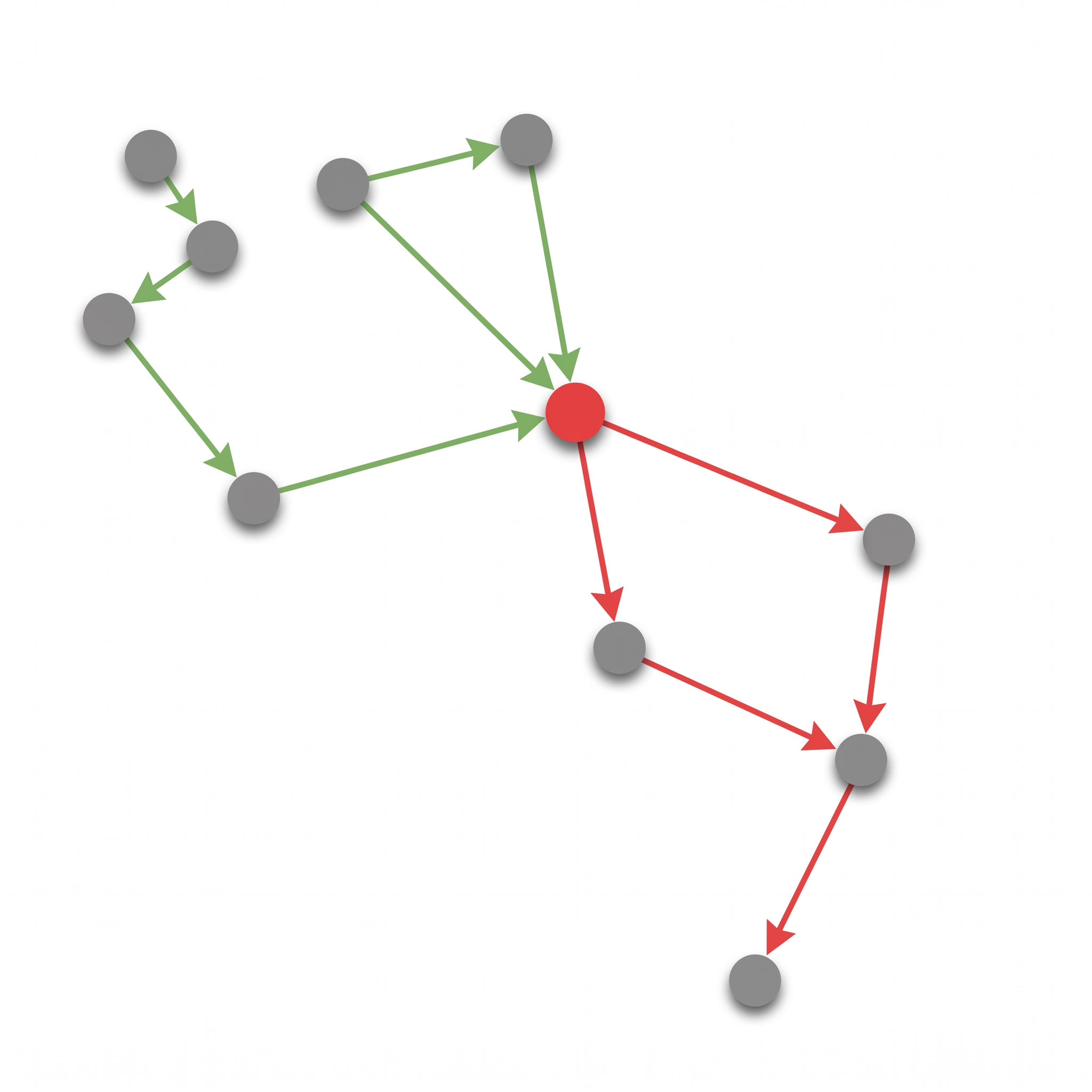
The trigger.
Surface the underlying molecular cause(s) of disease in each patient.
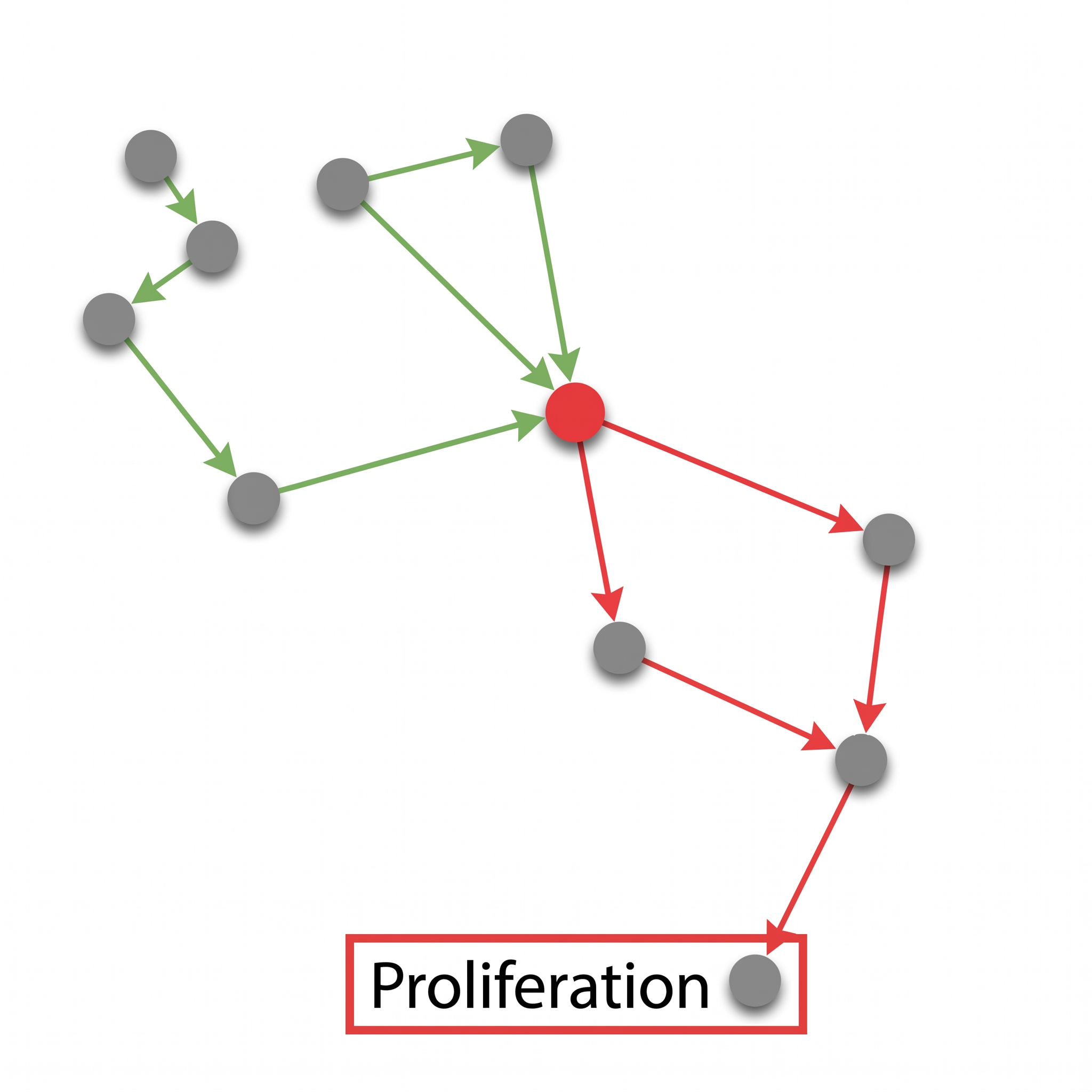
The cascade.
Precisely map the cascade of signaling changes in the cell due to perturbations — from the disease itself and the therapies that treat it.
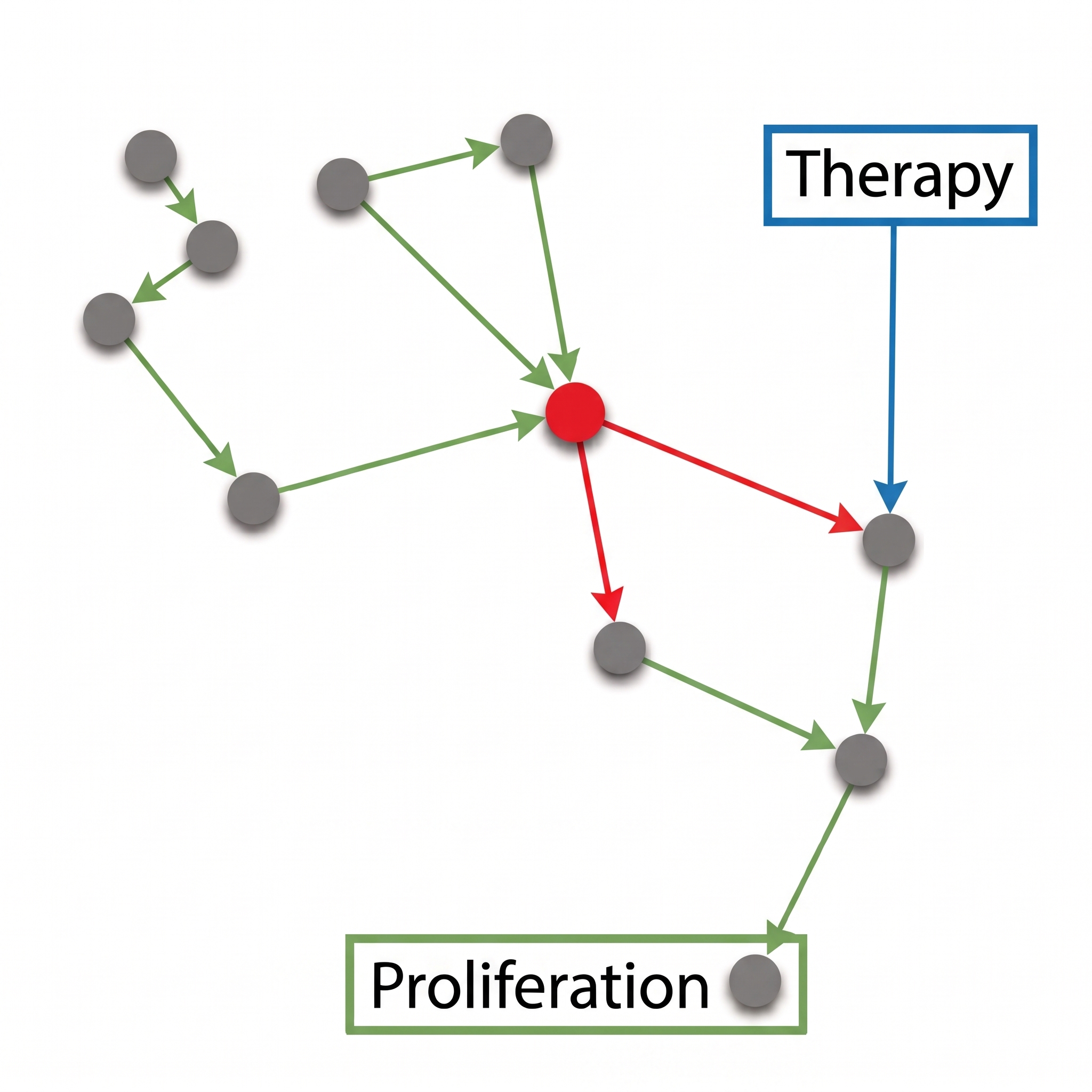
The output.
A combined molecular and clinical model to generate an individualized Therapy Response Index for how each patient would respond to any combination of therapies.
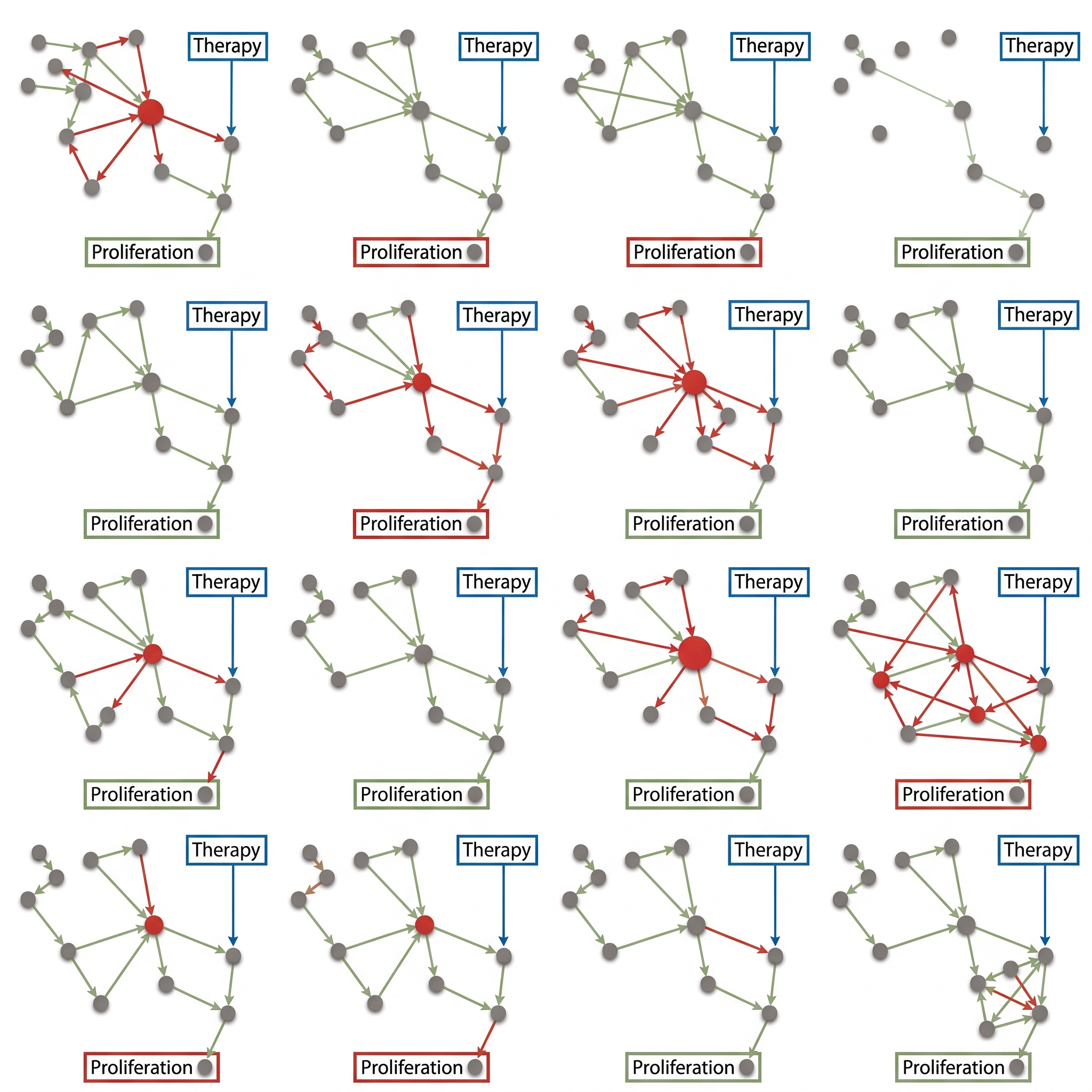
The impact.
Leveraging > 300 million patients of real-world data to model imminent risk with 90% accuracy and accurately predict treatment impacts.
We deploy this actionable, foundational AI for BioPharma and physicians.
All with one platform. The same mechanism-grounded foundational models — applied to drug development, population health, precision oncology, and care delivery.
Optimize your drug's success — for clinical development and launch teams.
Investigational drugs fail because of unstudied molecular heterogeneity. Cellworks fills that gap — identifying the exact patient profile required for expected efficacy and recruiting them seamlessly via EHR concept maps.
Peak patient utilization takes 7–17 years today — lost to lack of testing, low physician awareness, and poor understanding of patient applicability. Cellworks compresses time-to-peak by a year, unlocking additional years of peak revenue.
Proactive at the point of care — higher quality, more revenue, lower costs.
With Singula & Ventura, predict the right therapy from tumor biology — not biomarkers alone. With Singula Lung, get the probability that the patient will respond more favorably to combination chemotherapy vs immunotherapy alone.
With Cardea, identify patients at imminent risk before traditional indicators emerge. Get one-click orders across cardiovascular, renal, metabolic, and other chronic diseases.
Health systems that use Cardea increase utilization of high-value specialty programs and advanced therapies while strengthening value-based care performance.
Evidence
Peer-reviewed, not just presented.
Imminent Event Prediction for 1-year ASCVD events — 85.4% AUC
Gastroesophageal cancer — OS/PFS prediction (myCare-004)
90% AML/MDS therapy prediction — prospective
Use of an Integrative Genomics Approach to Identify Metastatic NSCLC Patients Benefiting From the Addition of Chemotherapy to Immune Checkpoint Inhibitors
Comparison of liquid versus solid tissue genomic profiling for the prediction of chemo-immunotherapy benefit in advanced NSCLC
Computational modeling of comprehensive genomic profiling to predict chemo-immunotherapy benefit in early stage NSCLC
An evidence-based tool to systematically identify potential adverse drug-drug interactions.
Use of biosimulation to predict immune checkpoint inhibitor resistance in patients with high microsatellite instability
Cellworks Therapy Response Index Coupled with Personalized Tumor Microenvironment Modeling Predicts Overall Survival for Immunotherapy Treatment in NSCLC Patients
Risk Assessment for Drug-Induced Hyperbilirubinemia: A Mechanistic Approach
Use of Biosimulation to Predict Chemotherapy Benefit in Patients with Metastatic NSCLC Being Treated with Immunotherapy
Trusted by institutions across research and care delivery